Hydrofluoric Acid Etching
The hydrofluoric acid etching method is sometimes referred in the same way as etching cream, but they’re actually different processes and contain completely different chemicals. The acid cream is most common today with crafts & hobby projects and is less potent than the strong hydrofluoric acid used by glass manufacturers. Using hydrofluoric acid dates back to the early times for creating decorative glass.
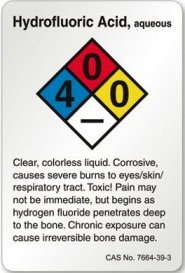 Hydrofluoric acid (HF) is a very dangerous chemical which is why hobby stores rather distribute the popular cream instead because it has less hazardous chemicals and is safer. You could refer the less hazardous form as acid etching cream, but they are made up of different chemicals, and the “cream” word clearly indicates that it is less potent because it has other materials mixed in.
Overall, the HF acid is used mainly in manufacturing environments for glass and metal products. These processes can also relate to industrial etching used for electronics and other manufacturing sectors.
One desirable trait and reason glass artisans like to use this deadly substance is because it can carve deep into the glass. But today, the popular way to carve into glass is with sandcarving and sandblasting methods.
Dangers
Now let’s discuss a little about the dangers on using this acid. This is known to penetrate through the human skin and etch your internal bones. Kind of scary! So be sure to wear proper equipment and become knowledgeable before using this chemical. Most people are scared to use it and will stay away form it.
The Process
Basically, this hazardous acid etches by eating at the surface of the exposed glass. A lot of industrial companies dip the stenciled glass into a tank of acid. The unexposed areas are protected by a stencil which creates the pattern on the glass. This practice is less used today by glass artists and crafters, but I have still seen it used in a wide variety of manufacturing glass products.
The alternate cream which some people are looking for can be purchased here.

Share this on social media or email by clicking below!